
Emergency Home Repair Grants: How to Get Fast Funding homeownership comes with countless joys, but it also brings its fair share of responsibilities. One of the most stressful aspects is when something goes wrong unexpectedly. Whether it’s a leaking roof, a broken furnace, or structural issues, home repairs can become urgent matters. Often, these issues arise at the most inconvenient times, leaving homeowners scrambling for ways to cover the costs of repairs. Fortunately, emergency home repair grants offer a lifeline for many who find themselves in this exact situation. But how can you access this funding, and what steps do you need to take to secure the help you need? This article breaks down everything you need to know about emergency home repair grants and how to access them quickly.
What Are Emergency Home Repair Grants?
In simple terms, emergency home repair grants are financial aids provided by government agencies, non-profit organizations, and sometimes private entities to help homeowners make urgent repairs on their homes. These grants are typically designed to address safety concerns, health risks, or structural issues that may pose immediate threats to the well-being of the residents.
Unlike loans, emergency home repair grants do not need to be repaid, making them highly beneficial for homeowners facing financial constraints. These grants can cover a wide range of repairs, including but not limited to:
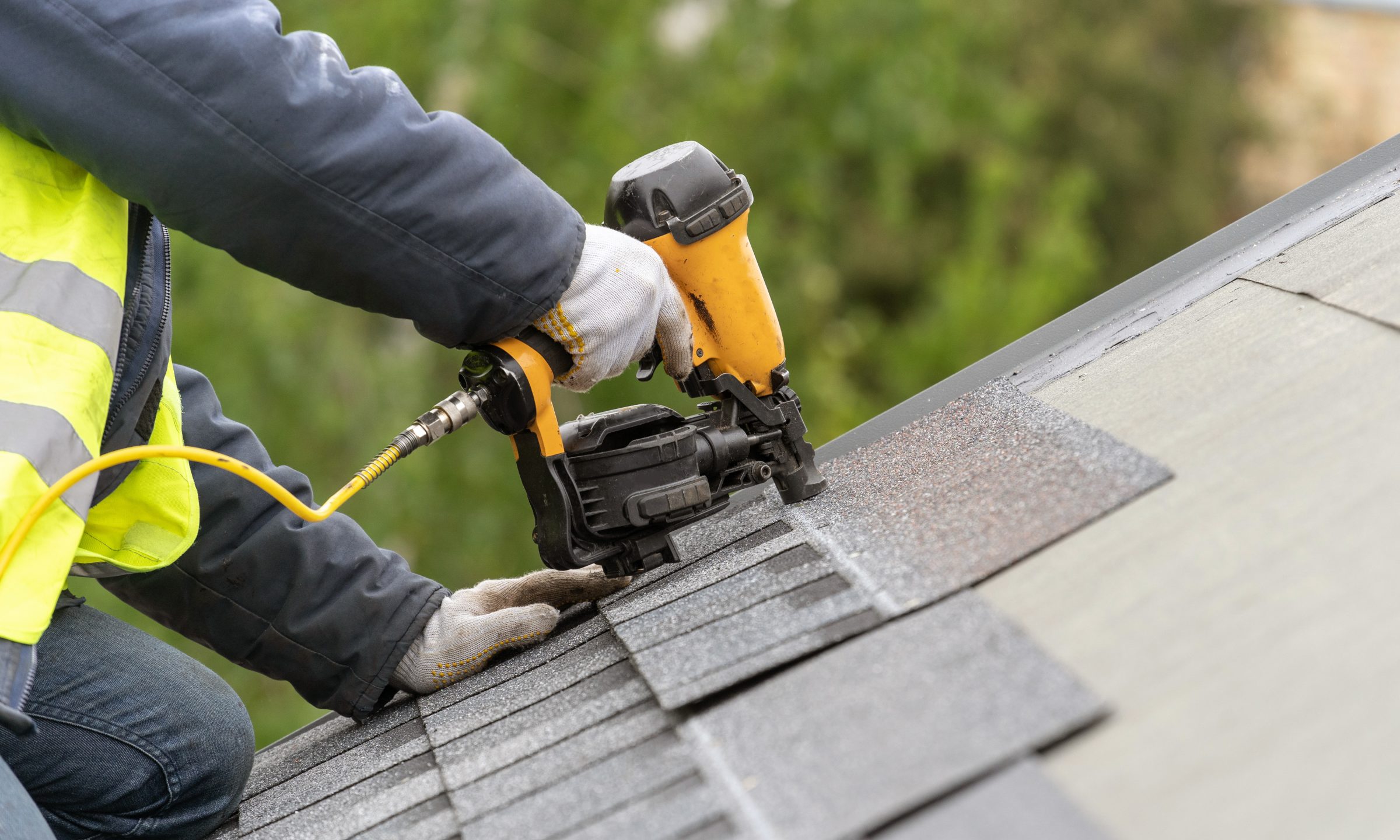
- Roof repairs
- Plumbing issues
- Electrical system failures
- Heating and cooling system breakdowns
- Foundation issues
The primary goal of these grants is to ensure that homes remain habitable and safe for their residents. In most cases, emergency home repair grants are available for individuals who meet specific income criteria, own their homes (rather than rent), and are facing urgent repair needs.
Why Are Emergency Home Repair Grants Important?
Emergency home repair grants serve a crucial role in maintaining the safety, livability, and overall well-being of homeowners, especially those who might not have the financial resources to cover significant repair costs. Here’s why they are so important:
1. Preventing Health and Safety Hazards
Many home repairs—such as fixing broken plumbing, addressing mold issues, or repairing a faulty electrical system—are not just inconvenient, they can be dangerous. Leaking pipes can lead to water damage, which might encourage mold growth, while electrical failures can cause fire hazards. By offering emergency home repair grants, the government and other organizations aim to reduce the risk of these issues escalating into life-threatening situations.
2. Improving the Quality of Life
A broken heater in winter or a malfunctioning air conditioner in summer can make life unbearable. Emergency home repair grants help homeowners regain comfort by providing the funds needed to address these issues promptly.
3. Protecting Property Value
Sometimes, minor issues left unaddressed can snowball into major problems that are expensive to repair. Cracked foundations, for instance, can lead to structural instability, severely damaging the property’s value. Homeowners can use emergency home repair grants to prevent such damage, preserving the integrity and value of their homes.
4. Reducing Financial Strain
For many homeowners, emergency repairs are an unplanned expense they simply cannot afford. By accessing emergency home repair grants, they can make the necessary repairs without accumulating debt or going through lengthy loan processes.
Who Qualifies for Emergency Home Repair Grants?
While the availability of emergency home repair grants varies based on location and funding sources, most grants target specific groups of individuals who demonstrate financial need. Some common eligibility requirements include:
1. Income Limitations
Many grant programs require applicants to meet certain income criteria. This is particularly true for low-income households, where the financial strain of a home repair could be overwhelming. Typically, these programs cater to families who earn a percentage of the median income in their area.
2. Homeownership
Most emergency home repair grants are available to homeowners who occupy their property as their primary residence. Landlords, renters, and those who own second homes are generally not eligible for these grants.
3. Urgency of Repairs
As the name suggests, emergency home repair grants are reserved for repairs that are critical and cannot be delayed. Issues such as broken water pipes, faulty electrical systems, or a collapsed roof are prime examples of emergencies that may qualify for funding.
4. Age or Disability
Some programs offer additional assistance to senior citizens and individuals with disabilities. These groups may have special considerations in terms of eligibility for emergency home repair grants, with some programs specifically designed to address their unique needs.
Where Can You Find Emergency Home Repair Grants?
Finding emergency home repair grants can be a challenge, but there are several avenues to explore. Here are some of the most common sources:
1. Federal Government Programs
The federal government offers a variety of programs aimed at helping homeowners with emergency repairs. One of the most widely known programs is the USDA Rural Development home repair loan and grant program. This program is available to low-income homeowners in rural areas and can provide up to $20,000 in repairs or improvements.
Another notable program is the Homeowner Assistance Fund (HAF), which was created to help homeowners facing financial hardships due to the COVID-19 pandemic. This fund can cover a range of housing-related expenses, including urgent repairs.
2. State and Local Government Programs
In addition to federal programs, many states and local governments offer emergency home repair grants. These programs may have different eligibility criteria and funding amounts depending on the region. Contacting your state’s housing department or local government offices can provide insight into available programs in your area.
3. Non-Profit Organizations
Several non-profit organizations provide emergency home repair grants, particularly for vulnerable groups such as the elderly, disabled individuals, and low-income families. For example, organizations like Habitat for Humanity often offer repair services, and many faith-based groups may provide assistance to those in need.
4. Utility Companies
Some utility companies have programs that offer funding for emergency home repairs related to heating, cooling, or plumbing systems. If your repair is related to a specific utility issue, contact your utility provider to inquire about possible assistance programs.
5. Home Repair Financing Programs
While not strictly grants, some organizations offer home repair financing programs that provide low-interest loans or deferred-payment loans for emergency repairs. These programs may have more flexible criteria and can be a good option if you’re unable to qualify for a traditional grant.
How to Apply for Emergency Home Repair Grants
Applying for emergency home repair grants typically involves several key steps. Here’s a simplified guide to help you navigate the application process:
1. Research Available Programs
Start by researching all available grant programs in your area. Check with local government agencies, non-profits, and utility companies. Take note of the specific eligibility requirements for each program.
2. Gather Required Documentation
Each program will have a list of required documents you need to submit with your application. Common documentation includes proof of income, proof of homeownership, tax returns, and details about the repair you need. Be prepared to provide comprehensive information to ensure your application is processed smoothly.
3. Fill Out the Application
Once you have all the required documents, complete the grant application form. Be sure to answer all questions thoroughly and accurately. Incomplete or incorrect applications can result in delays or rejection of your request.
4. Submit Your Application
Submit your application according to the guidelines specified by the program. Some programs may accept online applications, while others require in-person submissions or mail-in forms. Pay attention to deadlines to ensure your application is received on time.
5. Follow Up
After submitting your application, stay in contact with the agency or organization providing the grant. If they need additional information or documentation, respond promptly to avoid delays.
What Happens After You Apply?
Once you’ve submitted your application, the grant provider will typically review it to determine your eligibility. If you qualify, they will notify you of the funding amount and the next steps. Depending on the program, you may receive the funds as a lump sum, or the provider may handle the payment directly to the contractors performing the repairs.
It’s important to remember that the application process can take time, so plan accordingly. If you’re facing an immediate emergency, consider securing temporary fixes until your application is processed.
Final Thoughts
Emergency home repair grants are an invaluable resource for homeowners facing unexpected repair costs. Whether you’re dealing with a leaky roof, broken plumbing, or an unsafe electrical system, there are programs available that can help you get the funding you need. By researching available options, gathering the necessary documentation, and submitting a well-prepared application, you can secure the financial assistance required to restore your home to a safe and livable condition.
Remember, these grants are designed to provide relief, so don’t hesitate to explore every avenue for assistance. A quick search and a little effort can make a world of difference when it comes to getting your home repaired quickly and efficiently.


