
In high-risk work environments such as highway construction zones, roadside utility repairs, and large-scale logistics yards, worker visibility is not optional—it is essential. A properly selected class 3 safety vest plays a critical role in protecting workers who operate near fast-moving vehicles and heavy equipment.
As traffic speeds increase and job site complexity grows, visibility standards must rise accordingly. Class 3 garments are specifically designed to provide the highest level of conspicuity under demanding conditions, helping reduce the risk of struck-by incidents.
What Defines Class 3 Visibility Apparel?
Class 3 safety vests are engineered to meet stringent visibility requirements established by ANSI performance standards. These garments provide the greatest amount of high-visibility background material and reflective striping among safety vest classifications.
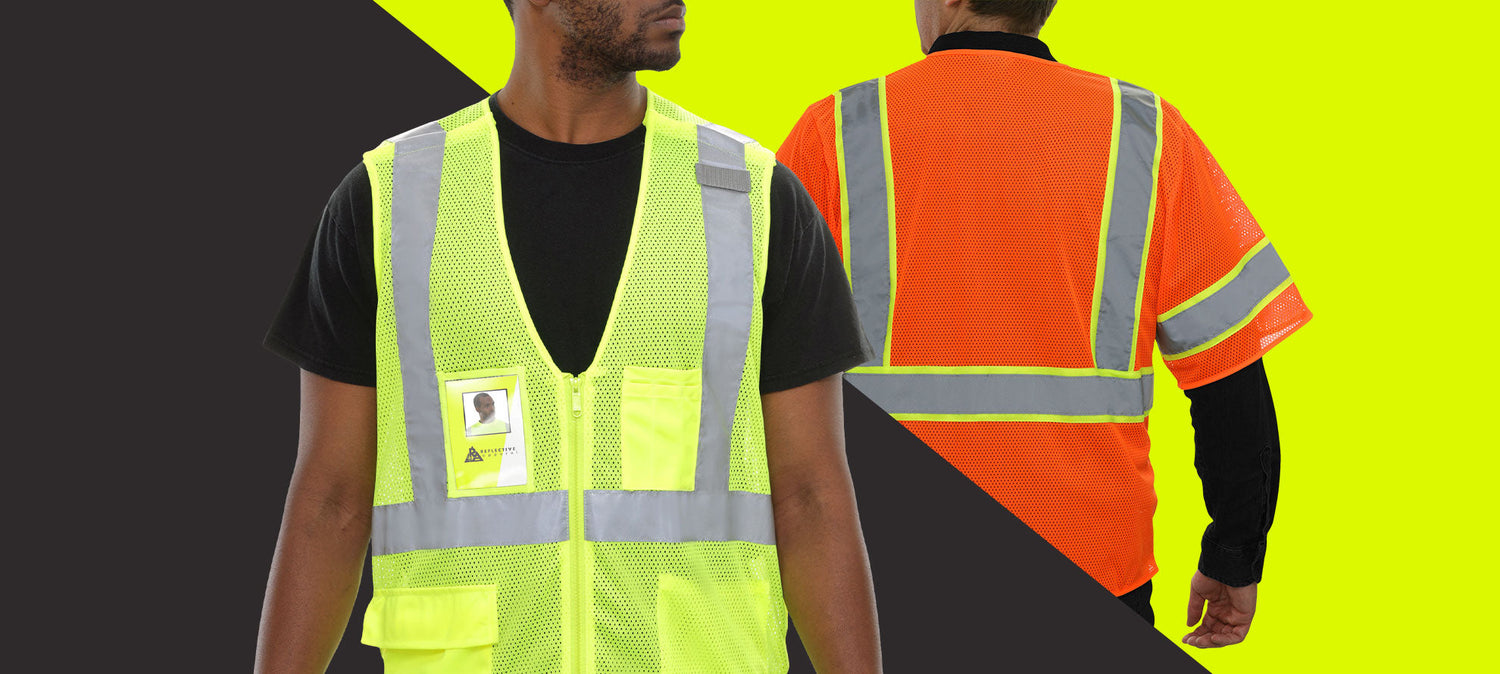
The defining characteristic of Class 3 apparel is full upper-body coverage, including sleeves or extended reflective elements that enhance visibility from all angles. This expanded coverage ensures workers are recognizable as human figures at greater distances, even in low-light or adverse weather conditions.
Reflective tape placement is equally important. Strategically positioned striping across the torso, shoulders, and arms improves 360-degree visibility. When illuminated by headlights or work lights, the reflective material returns light directly toward its source, making workers stand out clearly against dark surroundings.
When Is a Class 3 Safety Vest Required?
Class 3 safety vests are typically required in environments where traffic exceeds certain speed thresholds or where workers face significant exposure to moving equipment.
High-Speed Roadways:
Construction crews operating on highways or interstates must remain visible to drivers traveling at elevated speeds. Increased stopping distances make early detection crucial.
Low-Light Conditions:
Early morning, nighttime, and inclement weather conditions reduce driver visibility. Class 3 garments enhance detection during fog, rain, or limited daylight hours.
Complex Work Zones:
Sites with multiple moving vehicles, heavy machinery, and intersecting work activities demand maximum visibility to prevent miscommunication and accidental contact.
Employers who assess risk levels accurately can determine when Class 3 apparel is necessary to ensure compliance and worker protection.
Benefits Beyond Compliance
While meeting safety regulations is important, the benefits of Class 3 safety vests extend beyond basic compliance.
Improved Worker Confidence:
Employees who feel protected are more focused and productive. Knowing they are highly visible reduces anxiety in high-traffic environments.
Reduced Incident Risk:
Enhanced visibility significantly lowers the likelihood of struck-by accidents—one of the leading causes of workplace injuries in construction and transportation sectors.
Professional Presentation:
Uniform, high-quality safety apparel reinforces a company’s commitment to safety and professionalism. Clients, inspectors, and the public take notice when crews are properly equipped.
Investing in premium visibility gear reflects a proactive approach to risk management rather than a reactive response to incidents.
Key Features to Consider
When selecting a Class 3 safety vest, employers should evaluate several important factors:
1. Material Durability
Heavy-duty fabrics withstand harsh job site conditions and repeated washing without degrading reflective performance.
2. Reflective Striping Configuration
Ensure striping provides full torso and arm coverage, enhancing recognition from multiple viewing angles.
3. Weather Adaptability
Layering compatibility or insulated options can help crews maintain compliance during colder months.
4. Functional Design
Adequate pocket space for radios, identification, and tools supports efficiency without compromising visibility.
By choosing garments that combine durability, functionality, and compliance, organizations can maximize long-term value.
A Proactive Approach to Workplace Safety
High-risk job sites demand heightened safety measures. Visibility is one of the most controllable risk factors available to employers. Providing Class 3 safety vests ensures workers are equipped with apparel specifically designed for environments where maximum conspicuity is necessary.
Rather than viewing high-visibility garments as a minimal requirement, forward-thinking organizations treat them as essential protective investments. Selecting the appropriate classification for the work environment demonstrates leadership and responsibility.
For companies seeking dependable, compliant high-visibility solutions, National Safety Gear offers a comprehensive range of ANSI-rated apparel designed for demanding industries. With products engineered to meet rigorous safety standards, National Safety Gear supports construction, transportation, and utility professionals who prioritize protection.
Strengthen Your Safety Standards Today
Workplace safety begins with informed decisions. Assess your job site risks, review your current PPE strategy, and ensure your team is equipped with the proper visibility classification.
Upgrading to Class 3 safety vests where required can significantly reduce exposure to preventable incidents. Visit National Safety Gear today to explore high-performance safety apparel that helps keep your workforce visible, compliant, and protected on every job site.